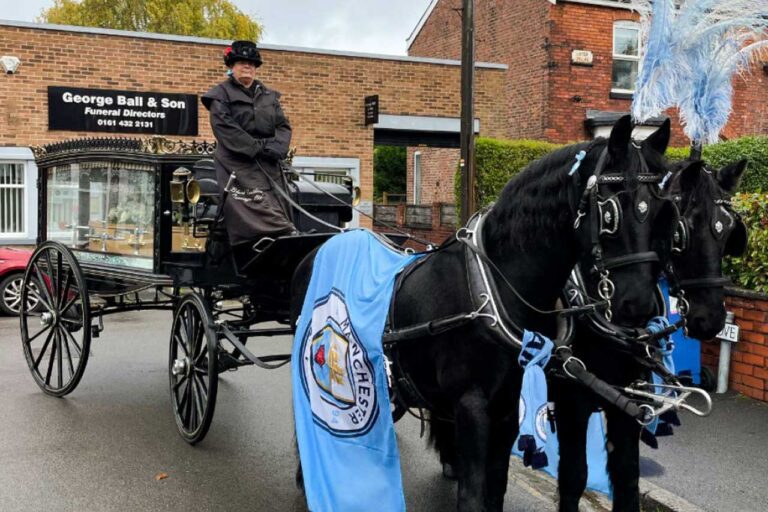
When someone dies, one of the first practical questions families face is: who has the legal right to make the funeral arrangements? In the UK, this can feel confusing, especially during a time of grief, because the law doesn’t always align with family expectations. Understanding the order of priority can help avoid conflict and ensure the funeral reflects the wishes of the person who has died.
Why Priority Matters
Funeral arrangements involve important decisions: choosing a funeral director, selecting burial or cremation, planning the service, and managing costs. When more than one person wants to take charge—or when relatives disagree—knowing who has the legal authority can prevent disputes and delays.
The Legal Order of Priority in the UK
In the UK, the person with the legal right to arrange a funeral depends on several factors, including whether the deceased left a will and whether someone has been formally appointed to handle their estate.
- The Executor Named in the Will
If the person who died left a valid will, the executor has the highest legal authority to arrange the funeral. This is true even before probate is granted. Executors are expected to follow any funeral wishes expressed in the will, although these wishes are not legally binding. - The Next of Kin (If There Is No Will)
If there is no will—or no executor willing or able to act—the responsibility passes to the next of kin. The general order is:- Spouse or civil partner
- Adult children
- Parents
- Adult siblings
- Other relatives, in descending order of closeness
This hierarchy is widely recognised by funeral directors and local authorities.
3. A Person Appointed by the Deceased
Some people make an Arrangements on Death Declaration, naming a specific person to handle their funeral. If this exists—often within a will—that named person takes priority.
4. Local Authority (If No One Else Is Willing or Able)
If there is no family, no executor, or no one willing to take responsibility, the local council or health authority will arrange a simple, respectful funeral under the Public Health (Control of Disease) Act.
Special Rules for Children Under 16
When a child dies, the rules differ. A parent or legal guardian normally has priority. If neither parent can act, the order of priority becomes:
- Adult siblings
- Grandparents
- Aunts and uncles
- Cousins
- Close family friends
This hierarchy ensures that someone with a meaningful connection to the child can take responsibility.
What Happens If Family Members Disagree?
Disagreements are sadly common, especially when relationships are strained. If two people of equal priority—such as adult siblings—cannot agree, there is no automatic legal “tie‑breaker.” Funeral directors can take instructions from anyone with entitlement, but they may pause arrangements if a dispute arises.
In extreme cases, families may need to seek legal advice or apply to the court for a decision. However, this can be costly and emotionally draining, so mediation or compromise is usually encouraged.
Considering the Wishes of the Person Who Died
Although funeral wishes in a will are not legally binding, they are usually followed unless there is a compelling reason not to. Families are also encouraged to check for:
- Pre‑paid funeral plans
- Life insurance policies
- Written instructions
- Conversations or notes expressing preferences
These can guide decisions and reduce uncertainty.
Who Pays for the Funeral?
The person arranging the funeral is responsible for paying the bill, but costs can later be reclaimed from the estate if funds are available. If money is tight, families may be eligible for a Funeral Expenses Payment.
Final Thoughts
Understanding who has priority to arrange a funeral in the UK can prevent conflict and help families focus on what matters most—honouring the person who has died. Whether the responsibility falls to an executor, next of kin, or the local authority, the goal is always the same: to create a respectful, meaningful farewell.